

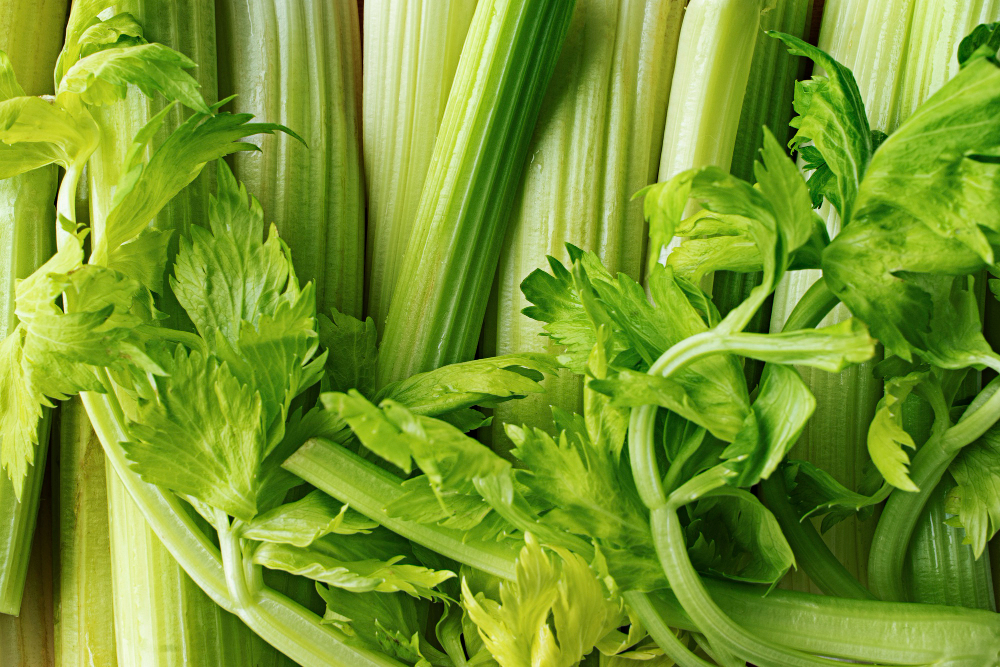
Pravi Celer, known scientifically as Apium graveolens, is a plant species in the parsley family, Apiaceae. It is often called wild celery or smallage. This plant is the wild ancestor of the cultivated celery we commonly eat today.
Pravi Celer has a strong, aromatic scent and a more intense flavor than regular celery. It usually has slender stalks, dark green leaves, and small white flowers that grow in umbrella-shaped clusters. The plant can grow in damp ground and is well adapted to salty or mineral-rich soils.
Unlike the thick, crisp celery found in grocery stores, wild celery is more delicate in structure and often used for its leaves, seeds, and medicinal value rather than for large stalks.
Health Benefits of Pravi Celer
Pravi Celer is valued not only as a flavorful herb but also for its nutritional and wellness benefits. Its leaves, stems, and seeds contain plant compounds, vitamins, and minerals that may support overall health.
Nutritional Profile of Pravi Celer
Pravi Celer contains a range of beneficial nutrients, including:
- Vitamin K
- Vitamin C
- Vitamin A
- Folate
- Potassium
- Calcium
- Magnesium
- Fiber
- Antioxidants
- Natural plant compounds such as flavonoids and volatile oils
Because it is low in calories and rich in nutrients, it can be a useful addition to a balanced diet.
1. May Help Reduce Inflammation
Pravi Celer contains antioxidants and plant compounds that may help the body manage inflammation. Compounds such as flavonoids and polyphenols can help protect cells from oxidative stress, which is linked to many chronic health problems.
This may support:
- Joint health
- General immune function
- Recovery from daily physical stress
- Overall cellular protection
2. Supports Digestive Health
Wild celery has long been used in traditional food and herbal practices to support digestion. Its fiber content and natural aromatic compounds may help the digestive system work more smoothly.
Possible digestive benefits include:
- Supporting regular bowel movements
- Helping reduce mild bloating
- Encouraging healthy digestion
- Stimulating appetite in some people
The seeds of Apium graveolens have also been used traditionally to support digestive comfort.
3. May Support Healthy Blood Pressure
Pravi Celer contains potassium, an important mineral that helps balance fluids and supports normal blood pressure. Some celery-related plant compounds may also help relax blood vessels and promote healthy circulation.
This makes it a good plant food to include in a heart-friendly diet, especially when paired with other nutrient-rich vegetables and low-sodium eating habits.
4. Provides Antioxidant Protection
Antioxidants help the body fight free radicals, which can damage cells over time. Pravi Celer contains several natural antioxidants that may help protect tissues and support long-term wellness.
This antioxidant activity may contribute to:
- Healthy aging
- Skin health
- Immune support
- Reduced oxidative stress
5. May Have Mild Diuretic Effects
Traditionally, celery and wild celery have been used to support fluid balance. Some people value Pravi Celer for its mild diuretic effect, which may help the body remove excess water.
This may be helpful for:
- Reducing mild water retention
- Supporting kidney function as part of a healthy lifestyle
- Promoting a feeling of lightness and balance
6. Supports Bone and Blood Health
Because it contains vitamin K, calcium, and other minerals, Pravi Celer may support healthy bones and normal blood clotting. Vitamin K is especially important for bone metabolism and maintaining skeletal strength.
Where Does Pravi Celer Grow Naturally?
Pravi Celer grows naturally in wet, coastal, and salt-rich environments. It is well suited to marshy land, riverbanks, ditches, and seaside areas where the soil stays moist.
It is commonly found in:
- Coastal marshes
- Wet meadows
- Salt-rich soils
- Estuaries
- Damp lowlands
- Edges of streams and canals
Mediterranean and Other Native Regions
Pravi Celer is strongly associated with the Mediterranean region, where the climate suits its growth well. It prefers areas with mild winters and warm seasons, especially where moisture is available.
It grows naturally in parts of:
- Southern Europe
- The Mediterranean basin
- North Africa
- Western Asia
- Some coastal areas of central and northern Europe
Because it tolerates damp and slightly saline conditions, it often thrives in places where other garden vegetables may struggle.
Ideal Climate Conditions
Pravi Celer grows best in these conditions:
- Cool to mild temperatures
- Moist soil
- Full sun to partial shade
- Soil rich in organic matter
- Slightly salty or mineral-rich environments
Although it is a hardy plant, it does best when the soil does not dry out for long periods.
Cultivation Tips: How to Grow Pravi Celer
If you want to grow Pravi Celer at home, it can be done with a little care and the right conditions.
Basic Growing Tips
- Choose a spot with full sun or light shade.
- Use moist, fertile, well-drained soil.
- Keep the soil consistently damp.
- Sow seeds in spring or early autumn.
- Space plants well to allow airflow.
- Add compost to improve soil quality.
- Water regularly, especially in warm weather.
Helpful Notes for Gardeners
Pravi Celer prefers cooler growing conditions and may not do well in very hot, dry climates unless watered often. If you live in a dry area, mulching around the plant can help keep moisture in the soil.
Because it is closely related to cultivated celery, its care needs are somewhat similar, though wild celery may be more tolerant of natural outdoor conditions.
Final Thoughts
Pravi Celer is a fascinating plant with deep roots in both traditional food culture and natural wellness. As the wild relative of common celery, it offers a concentrated flavor, a useful nutrient profile, and a strong connection to coastal and Mediterranean habitats.
Whether you are interested in its health benefits, curious about where it grows, or thinking of adding it to your garden, Pravi Celer is a plant worth knowing. Its mix of culinary value and natural resilience makes it an appealing choice for gardeners, cooks, and health-conscious readers alike.
FAQ About Pravi Celer
1. What is Pravi Celer used for?
Pravi Celer is used in both culinary and traditional wellness settings. Its leaves can be added to soups, broths, stews, and salads. Its seeds are also valued for flavor and herbal use.
2. How is Pravi Celer different from common celery?
Pravi Celer is the wild form of Apium graveolens. It is usually smaller, more aromatic, and stronger in flavor than common celery. The stalks are thinner, and the leaves are often used more than the stems.
3. Can you eat Pravi Celer raw?
Yes, parts of Pravi Celer can be eaten raw, especially the young leaves and tender stems. However, because the flavor is stronger than common celery, many people prefer to use it in small amounts or cook it into dishes.
4. Is Pravi Celer safe for everyone?
Pravi Celer is generally safe as a food when eaten in normal amounts. However, some people may be allergic to celery or related plants. Pregnant people, people with kidney issues, or those taking certain medications should be careful with large amounts or concentrated herbal preparations.
5. Can Pravi Celer replace regular celery in cooking?
Yes, it can be used as a substitute in some recipes, but the flavor is more intense. It works best in soups, stocks, sauces, and herb-based dishes where a stronger celery taste is welcome.
Visit Here typehuman.co.uk for more blogs.